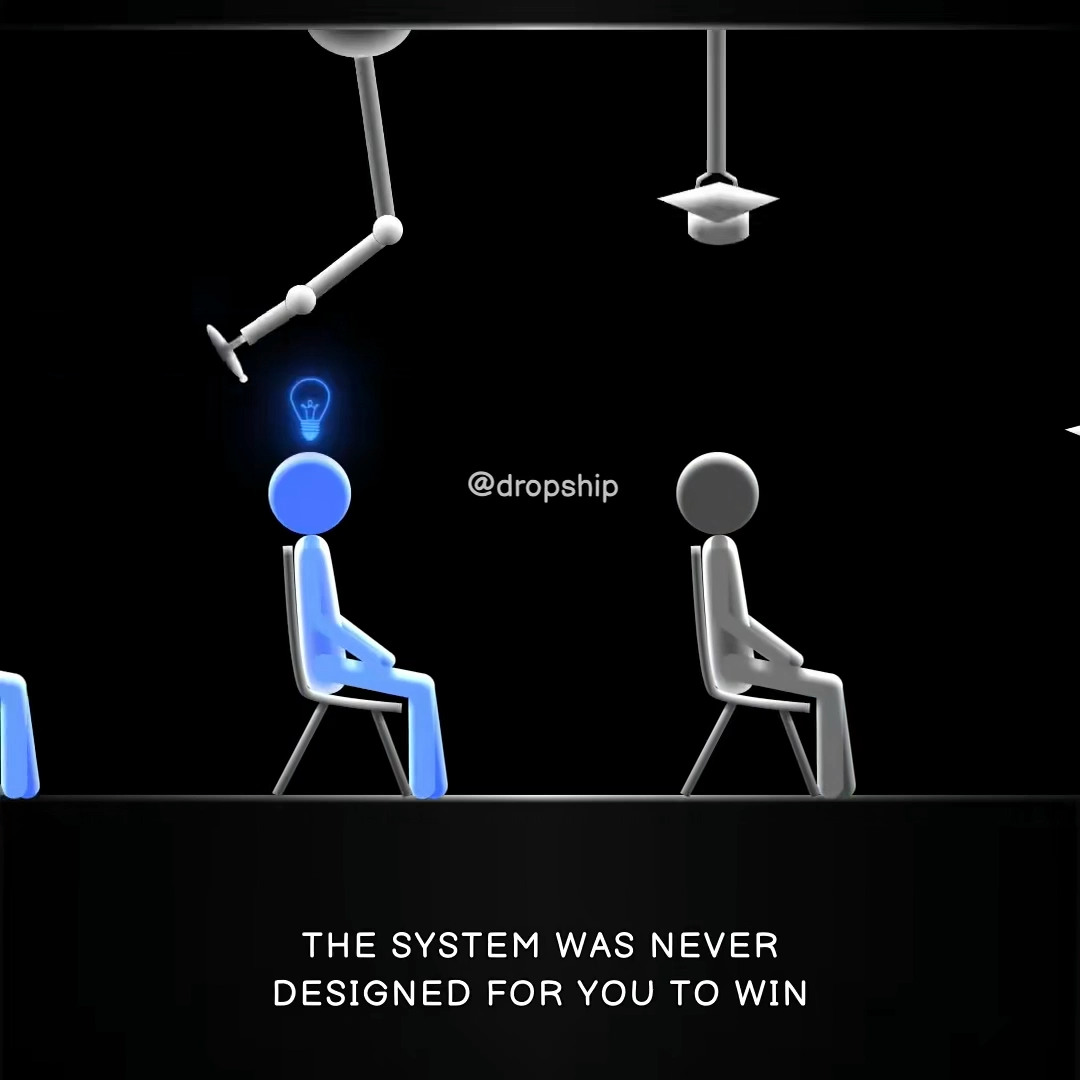
A child can learn to cooperate without being taught that obedience is the highest form of understanding. The interesting educational question is how to make room for both shared rules and independent thought.
The accompanying clip presents a criticism of conformity in school. We offer a narrower argument: a good learning environment should make questions possible. A pupil ought to be able to explain a different approach, ask why an answer is preferred and revise an opinion when the evidence changes. Teachers need the time and support to make that kind of discussion work.
This does not require treating every rule as oppression or every classroom as a factory. It means judging a practice by what it helps children learn. Does a routine protect everyone's opportunity to participate? Does feedback explain how to improve? Is there room to disagree respectfully? Those are more useful questions than assuming all schools have the same purpose or produce the same experience.
The UN Convention on the Rights of the Child offers a relevant point of reference: Article 29 links education to developing a child's personality, talents and abilities. Our view is that curiosity and the capacity to think through a problem belong in that ambition. This is an editorial perspective, not a research finding about every school.
References
- UN Convention on the Rights of the Child, Article 29
- Original accompanying clip retained on EndYourIllness
