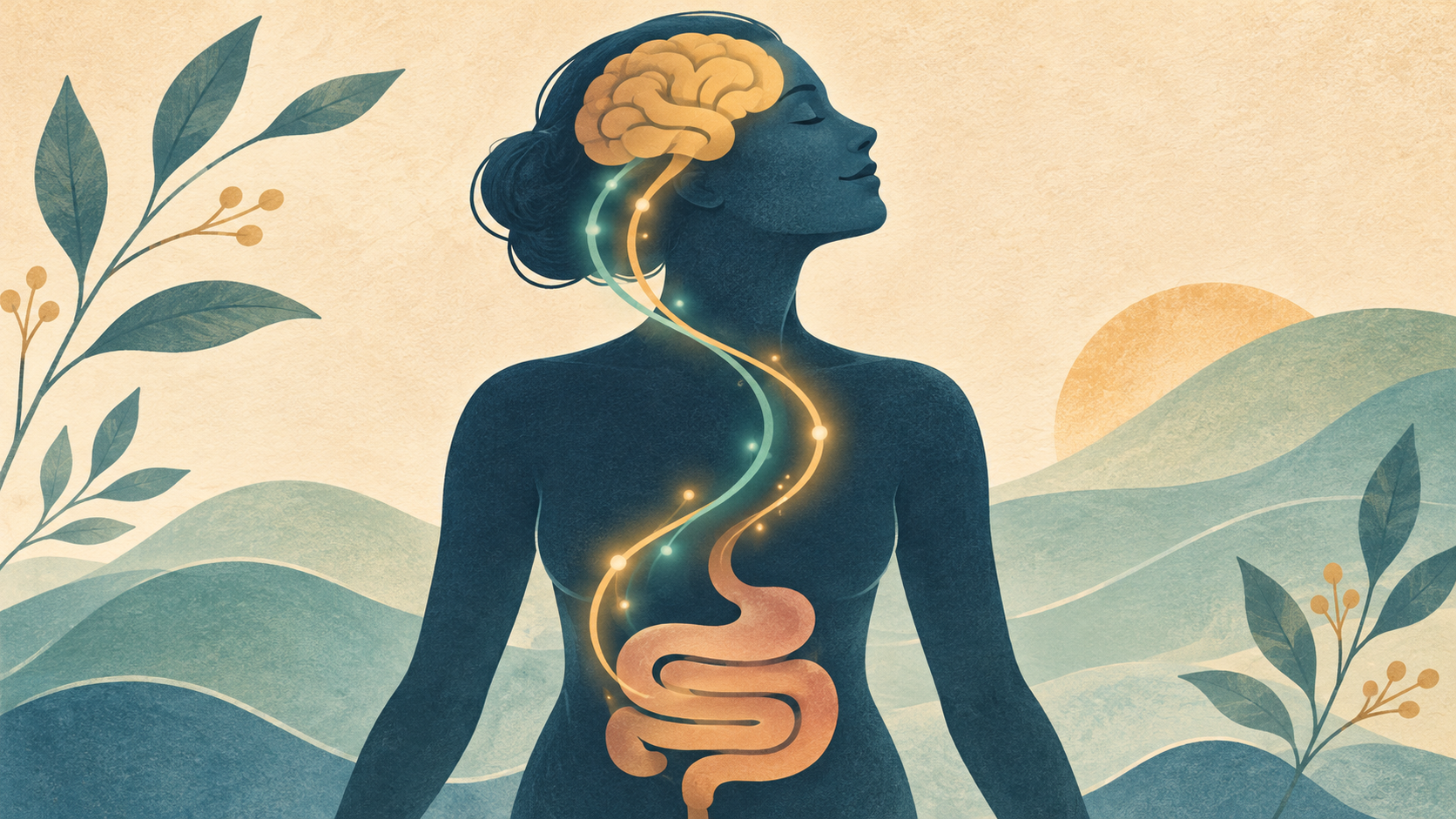
A difficult conversation can leave your stomach unsettled. A stressful morning can send you looking for a bathroom. These experiences reflect a real connection between the nervous system and digestion.
That connection helps explain the nickname “second brain.” But your gut is not secretly making plans or storing your childhood memories.
Meet the enteric nervous system
Within the walls of the digestive tract is a large network of nerve cells called the enteric nervous system. It helps coordinate the movement of food, digestive secretions and other local functions.
Some of this work can happen without step-by-step instructions from the brain in your head. That ability to organise complex activity locally is why the nickname is useful. It does not mean the gut has human-like thoughts or a separate consciousness.
A conversation that goes both ways
The brain and digestive system communicate through nerves, including the vagus nerve, as well as hormonal and immune pathways. Together, these connections are often called the gut-brain axis.
Stress can change gut movement and sensitivity. In the other direction, signals from the gut can influence how the brain processes bodily sensations and stress. This helps explain why digestive symptoms and emotional distress sometimes occur together.
In conditions such as irritable bowel syndrome, or IBS, communication between the gut and brain can contribute to symptoms. The pain and bowel changes are real. A gut-brain explanation should never be used to dismiss someone’s experience as imaginary.
Where do gut microbes fit in?
The digestive tract also contains a community of microorganisms, often called the gut microbiota. Researchers are studying how these microbes and the substances they produce interact with nerves, the immune system and metabolism.
There is promising research, but important questions remain. Finding different microbes in people with a particular condition does not prove those microbes caused it. Results from animal experiments also do not automatically translate into a treatment for humans.
A probiotic that helps one condition or person may not help another. Benefits depend on the specific organism, product and situation. Supplements should not replace established treatment for depression, anxiety or a digestive illness. People who are seriously ill or have weakened immune systems should get medical advice before using probiotics because risks can be greater.
What can you do with this knowledge?
Start with practical care rather than a promise to “reset” your gut:
- Keep regular meals when possible and choose a varied diet that fits your health needs.
- If you increase fibre, do it gradually. Some digestive conditions need more tailored food advice.
- Notice whether sleep, stressful events or particular foods affect symptoms, without blaming yourself or cutting out whole food groups unnecessarily.
- Ask a clinician about persistent pain, bloating, diarrhoea or constipation.
For some people with IBS, gut-directed psychological treatments, including cognitive behavioural therapy or hypnotherapy, can help symptoms. A clinician may also recommend medicines or dietary changes. These approaches address different parts of the same condition.
Seek prompt medical assessment for blood in the stool, unexplained weight loss or persistent symptoms. Severe or sudden abdominal pain needs urgent care.
Your gut and brain work together. Caring for both means taking physical symptoms seriously while recognising that stress, emotions and digestion can affect one another.
Sources and further reading
- Johns Hopkins Medicine: The Brain-Gut Connection
- NIDDK: Your Digestive System and How It Works
- Physiological Reviews: The enteric nervous system
- NCCIH: Probiotics, Usefulness and Safety
- NHS: Probiotics
- NHS: Irritable bowel syndrome symptoms
- NHS inform: Stomach ache and abdominal pain
This article provides general education and does not replace individual medical advice.
#GutBrainConnection #GutHealth #DigestiveHealth #MentalWellbeing #EYI
