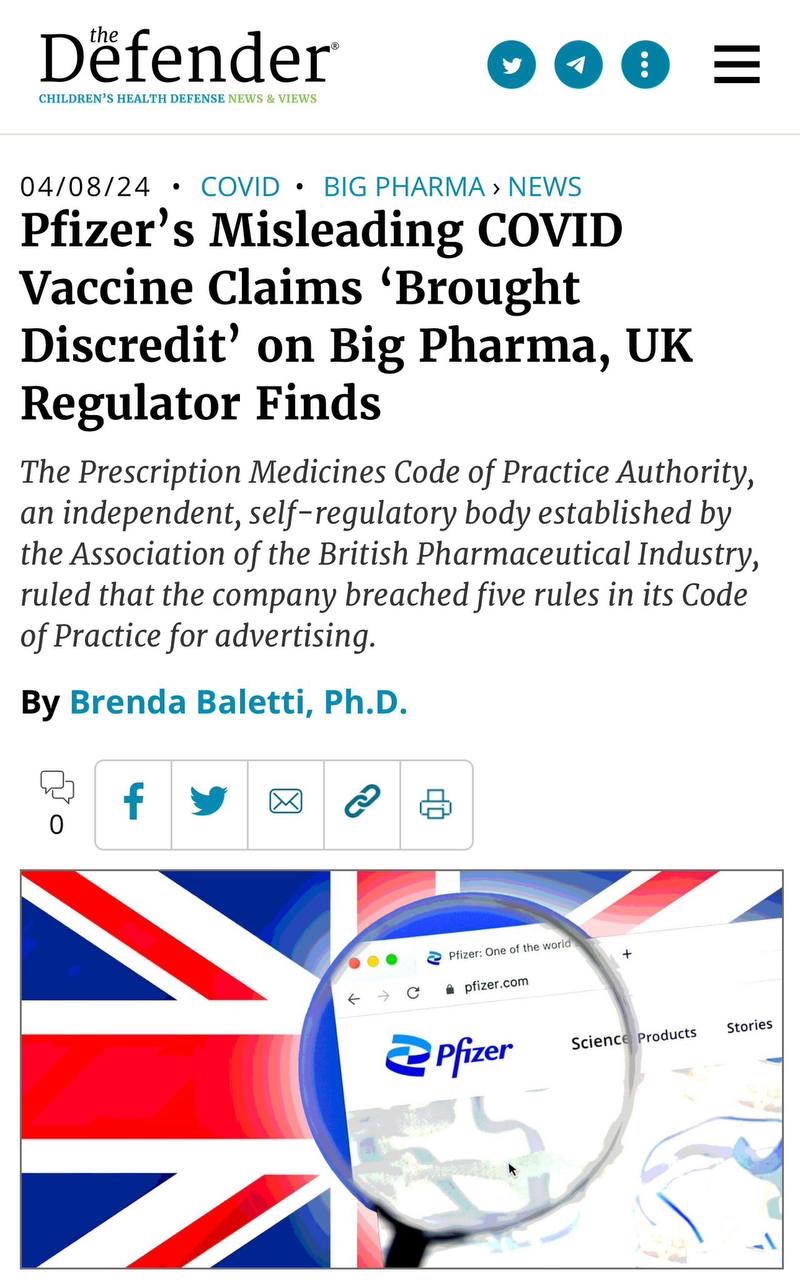
Whether to forgive a company is a personal and ethical question. Before answering it, it helps to identify the conduct at issue. The image below concerns a real UK pharmaceutical-advertising ruling about Pfizer employees’ social-media activity. It does not establish every allegation that has circulated about COVID-19 vaccines.

What the ruling found
In case AUTH/3741/2/23, completed on 1 March 2024, the Prescription Medicines Code of Practice Authority considered a November 2020 tweet and its redistribution by UK Pfizer employees. The post discussed efficacy results for a vaccine candidate before UK authorisation.
The panel found five breaches of the 2019 industry code. These included promotion before authorisation, misleading or insufficiently balanced claims, omission of relevant safety information, failure to maintain high standards and bringing discredit on the industry. The case record lists an undertaking and an advertisement among the sanctions.
Pfizer accepted the breaches and described corrective measures, while disputing the complainant’s allegation of a coordinated campaign. The ruling should be read with that distinction intact: the panel’s findings, the complainant’s wider allegations and the company’s response are not interchangeable.
Who made the decision?
The PMCPA administers the Association of the British Pharmaceutical Industry’s code independently of the ABPI. It is an industry self-regulatory body. Its adjudication is important evidence about promotional standards, but it is not a criminal conviction or a blanket determination that an authorised vaccine lacks benefit.
What meaningful accountability would involve
The question in the headline remains hypothetical; this post does not report a new apology. An assessment of accountability can instead ask whether the company acknowledges the specific problem, corrects the information, follows the undertaking and demonstrates changes that reduce the chance of repetition.
An apology alone cannot answer all those questions. Neither should justified criticism of advertising be expanded into claims the evidence does not support. For patients making medical decisions, the relevant discussion is the current evidence about benefits and risks for their circumstances, considered with a qualified healthcare professional. For public trust, accurate communication and visible follow-through remain central.
