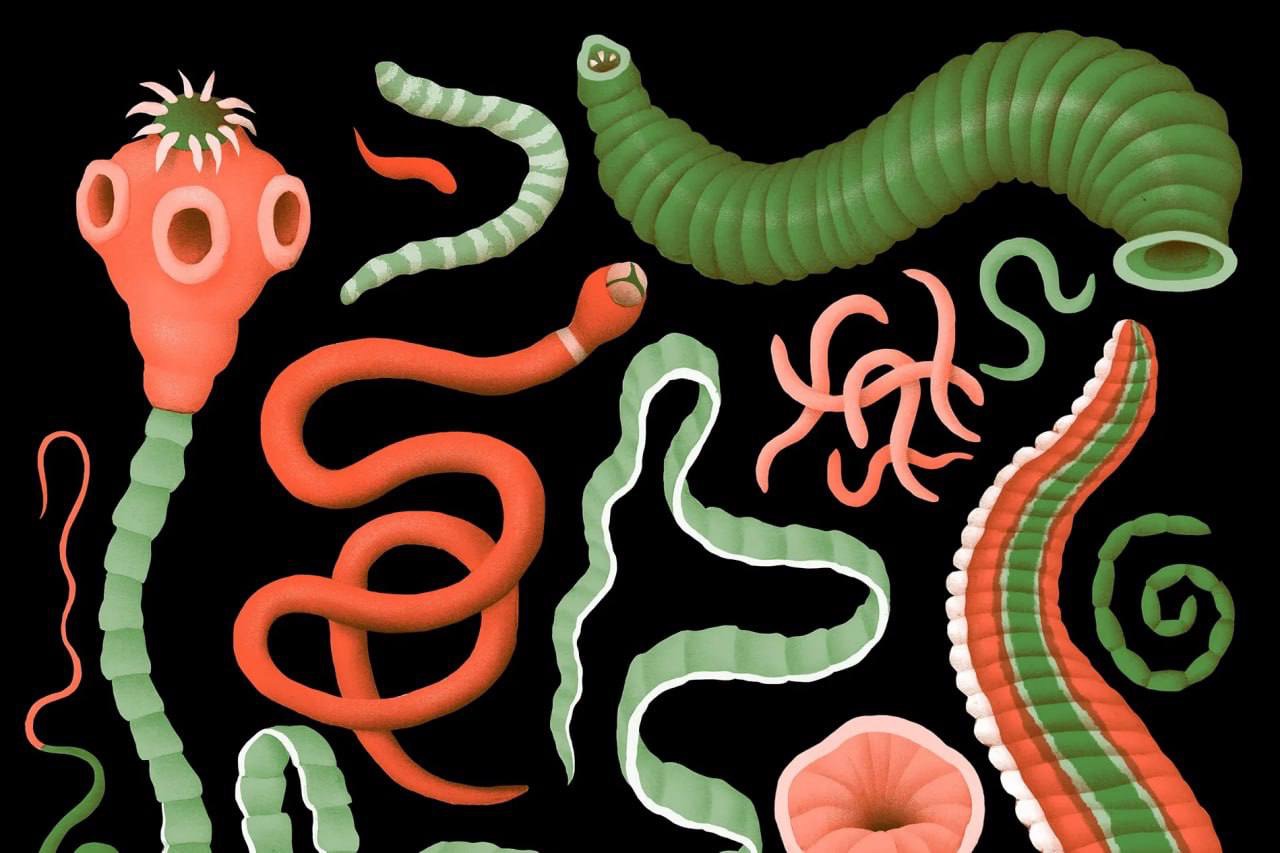
Diarrhoea, itching or unexplained weight loss deserve attention, but a checklist cannot establish that someone is “full of parasites.” These symptoms have many possible causes. The useful question is whether a particular infection fits the symptoms, exposures and test results.

Ten symptoms, with important limits
- Persistent diarrhoea: Some intestinal parasites can cause it. So can other infections, medicines and digestive conditions.
- Abdominal pain or bloating: These can accompany parasitic infection, but are too common to identify its cause.
- Night-time anal itching: This is a characteristic clue to pinworm, although irritation and other conditions can also cause itching.
- Fatigue: Feeling unusually tired warrants attention when persistent; it does not identify a parasite.
- Unintentional weight loss: Seek an assessment rather than assuming worms are consuming your food. Appetite changes alone are not a reliable test.
- Mood or sleep changes: Distress and disturbed sleep have many explanations. They should not be used to diagnose a hidden infestation.
- Teeth grinding: Bruxism is associated with factors including stress, some medicines and smoking. Grinding does not establish parasitic infection.
- Iron-deficiency anaemia: Hookworm can cause intestinal blood loss. Anaemia also has many other causes, and should not automatically be attributed to pinworm.
- A rash or itching: Some parasites affect the skin, but eczema or hives alone cannot reveal an intestinal parasite.
- Muscle or joint pain: Certain infections can affect these tissues. Common aches, without other evidence, are not grounds for antiparasitic treatment.
How an infection is investigated
A clinician may ask about travel, untreated water, food, soil contact and affected household members. Testing depends on the suspected organism. Stool tests can help investigate intestinal infection; a clinician-guided morning tape test is commonly used for pinworm. There is no single blood test for every parasite, and some investigations require more than one specimen.
Bring a symptom timeline and any relevant exposure details to the appointment. Seek prompt care for blood in the stool, severe abdominal pain, dehydration or marked weakness. Do not delay an assessment while trying a “parasite cleanse” or taking medicines intended for animals. The right treatment depends on the diagnosis, not the number of boxes ticked.
Original forwarded-source links, retained for attribution rather than medical guidance: TRADITIONAL MEDICINE 🌸🌿; original channel list.
References
- CDC: Diagnosis of Parasitic Diseases
- CDC: Diagnosing Pinworms
- WHO: Soil-transmitted helminth infections
- NIDCR: Bruxism
