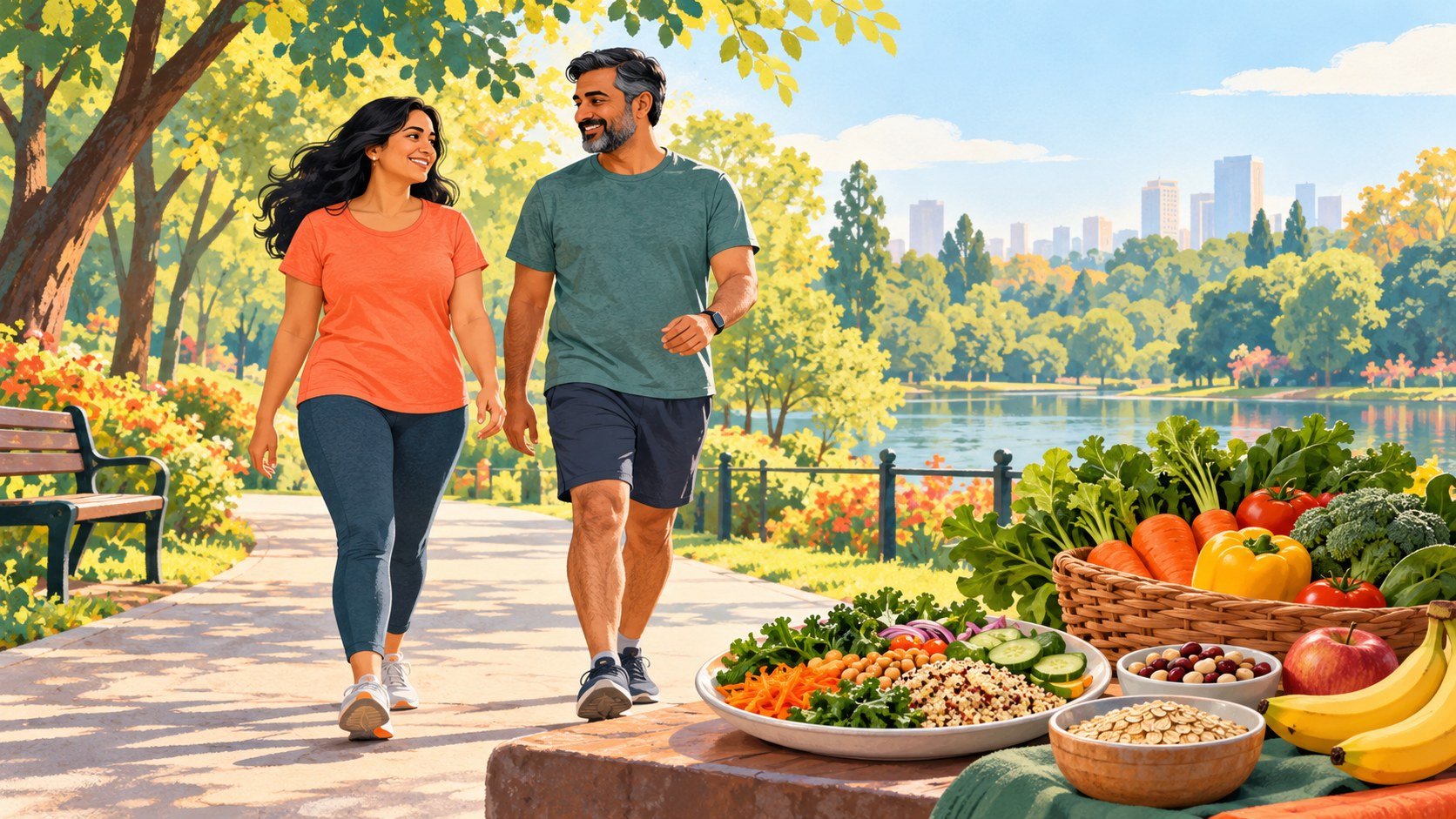
Everyday choices can reduce the likelihood of several cancers, but they cannot make anyone cancer-proof. Inherited susceptibility, ageing and environmental exposures also matter. Prevention is about improving the odds over time, not assigning blame to someone who becomes ill.
Choose the change with the biggest relevance to you
For someone who uses tobacco, getting help to stop is a priority. Smoking and smokeless tobacco both cause cancer. Moving from cigarettes to chewing tobacco does not remove that danger. Ask about counselling and suitable stop-smoking medicines, and keep indoor spaces free of tobacco smoke.
Areca nut deserves separate attention in India. It can be present in supari, paan and some mouth-freshener products. Areca nut itself is carcinogenic, even without added tobacco. Check ingredients rather than assuming that a product is safe because it is traditional or labelled tobacco-free.
Alcohol is another avoidable exposure. Cancer risk generally rises with consumption, and even small amounts can increase the risk of some cancers. Wine has no special exemption. Drinking less, or choosing not to drink, reduces exposure; seek medical support before stopping if you may be dependent, because withdrawal can be dangerous.
Build a routine that survives an ordinary week
Regular movement is associated with lower risk of some cancers and supports overall health. WHO recommends 150–300 minutes of moderate aerobic activity weekly for adults, or the equivalent in vigorous activity. Walking and cycling can contribute. Start at a level you can manage and adapt activity with professional advice when a health condition limits you.
Food choices work as a pattern. Make vegetables, fruit, whole grains and pulses such as beans or dal regular parts of meals. Maintaining a healthy weight is another prevention measure. A sustainable approach with adequate nutrition is more useful than repeated crash diets or an expensive “anticancer” food.
Vitamin and mineral supplements have not been established as a general way to prevent cancer; some high-dose supplements can cause harm. Taking a supplement to treat an identified deficiency is a separate medical decision. Do not replace prescribed care with a prevention product.
Include protection outside the kitchen
Limit excessive ultraviolet exposure with shade, clothing and a hat. Use broad-spectrum sunscreen of at least SPF 30 on uncovered skin, reapplying every two hours and after swimming or sweating. Sunscreen is not permission to stay out longer, and sunbeds are best avoided.
Review workplace exposure controls, relevant HPV or hepatitis B vaccination, and appropriate screening with a clinician. These measures complement daily habits.
Do not let healthy habits delay an examination
Unexplained bleeding, a new lump, weight loss or a persistent mouth sore or cough should be checked. Such symptoms often have other causes, but eating well or exercising does not rule out disease. Choose one practical prevention step today while continuing any medical follow-up you already need.
Featured artwork: AI-generated for EndYourIllness, 2026. This educational illustration does not depict a real patient.
References
- NCI: Smokeless Tobacco and Cancer
- NCI: Oral Cavity, Oropharynx, Hypopharynx, and Larynx Cancer Prevention
- NCI: Alcohol and Cancer Risk
- WHO: Physical Activity and Sedentary Behaviour, at a Glance
- WHO: Cancer
- NCI: Cancer Prevention Overview
- WHO: Protecting Against Skin Cancer
- NCI: Symptoms of Cancer
- NHS: Alcohol-use disorder
