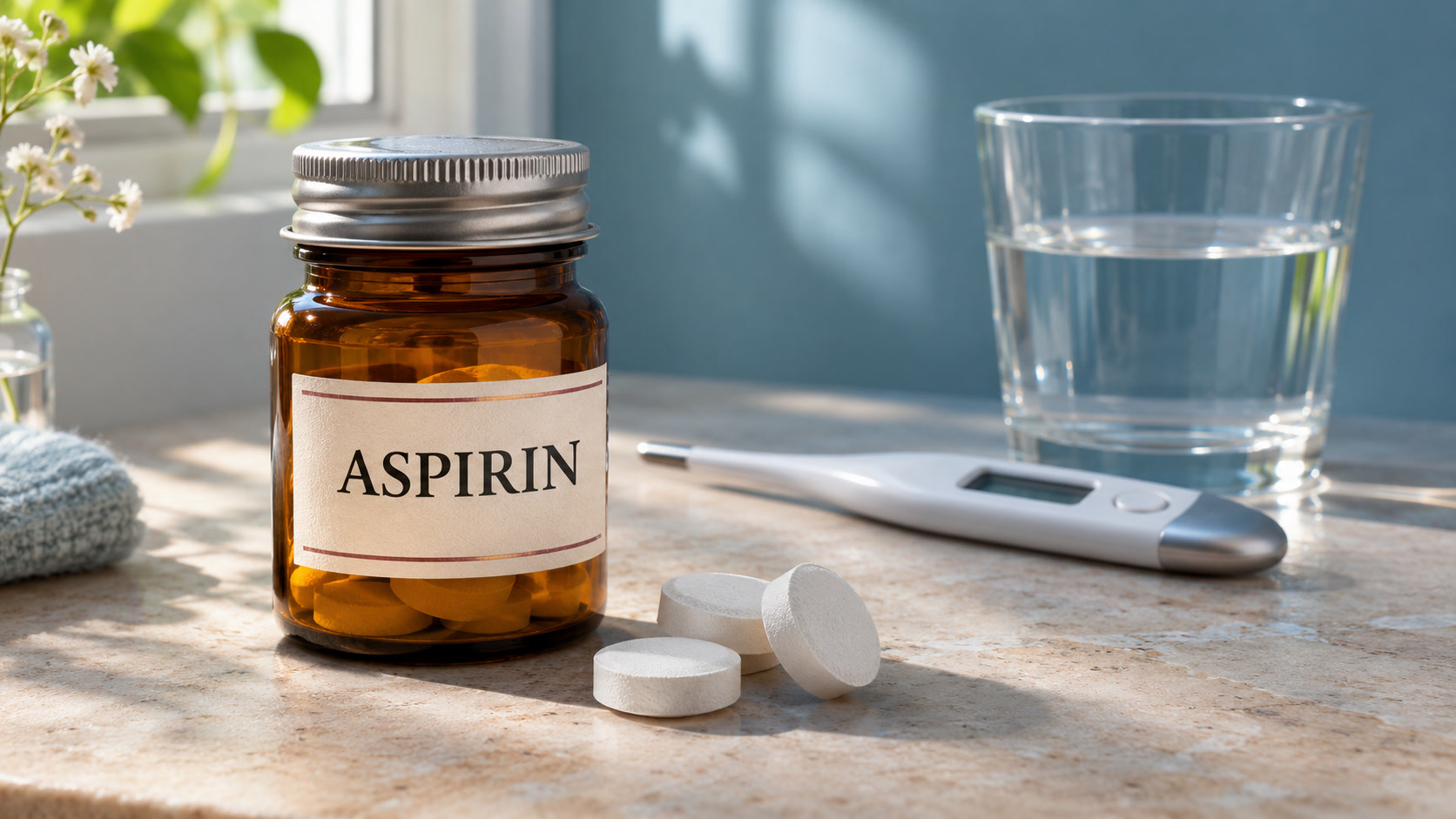
Image: AI-generated illustrative image. Aspirin has several uses, including pain relief and clinician-directed prevention of certain blood clots.
Aspirin is often called a “blood thinner,” but that nickname describes only part of its use. It can also relieve pain, lower fever and reduce inflammation. Understanding these different roles helps explain why the same medicine can be used for a headache in one situation and prescribed for cardiovascular protection in another. MedlinePlus: Aspirin
What is aspirin?
Aspirin, also called acetylsalicylic acid, belongs to a group of medicines known as non-steroidal anti-inflammatory drugs, or NSAIDs. It reduces the production of chemical signals involved in pain, inflammation and platelet activity. NHS: Aspirin and British Heart Foundation: How aspirin works
Its main effects are:
- Pain relief: It can ease mild to moderate pain.
- Fever reduction: It can bring down a raised temperature.
- Reduced inflammation: It can reduce inflammatory symptoms such as swelling and discomfort.
- Reduced platelet clumping: It helps make certain blood clots less likely to form.
The amount and treatment schedule depend on the purpose. Low-dose aspirin is commonly prescribed for its antiplatelet effect; pain relief and anti-inflammatory treatment generally involve higher doses. These uses are not interchangeable, and taking more is not a shortcut to better heart protection. Ask a clinician or pharmacist which treatment is appropriate rather than choosing a dose from a general article. MedlinePlus and British Heart Foundation
What does “blood thinner” actually mean?
In everyday language, “blood thinner” describes medicines that reduce clotting. It does not mean that they dilute the blood or turn it watery.
Aspirin is specifically an antiplatelet medicine. Platelets are tiny blood components that stick together to help stop bleeding. Aspirin reduces their tendency to clump, which can help prevent harmful clots in arteries. British Heart Foundation
Anticoagulants are a different group. Medicines such as warfarin and apixaban act on the clotting process in other ways. Aspirin is not an anticoagulant, and the two types should not be substituted for one another without medical direction. NHS: Anticoagulant medicines
Should everyone take aspirin for their heart?
No. The reason for treatment matters.
Secondary prevention means preventing another event in someone with established cardiovascular disease. After a heart attack, certain clot-related strokes or a coronary stent, aspirin may be an important part of a clinician-directed plan, sometimes alongside another antiplatelet medicine. The treatment depends on the person’s condition and bleeding risk. American Heart Association: Aspirin and dual antiplatelet therapy
Primary prevention means trying to prevent a first heart attack or stroke in someone without known cardiovascular disease. Routine aspirin is not suitable for everyone because serious bleeding may outweigh the benefit. The U.S. Preventive Services Task Force recommends an individual decision for selected adults aged 40 to 59 with elevated cardiovascular risk, and recommends against starting aspirin for primary prevention at age 60 or older. These recommendations do not tell people already prescribed aspirin to stop it. USPSTF recommendation
Do not start daily preventive aspirin, stop prescribed aspirin or change your regimen on your own. Discuss the reason for your treatment with your clinician. American Heart Association and NHS
Risks and interactions to know
Aspirin can cause stomach irritation, ulcers and serious bleeding, including bleeding in the digestive tract or brain. Previous ulcers, bleeding problems and some other medical conditions can change the balance of benefits and harms. British Heart Foundation and USPSTF
Ask a pharmacist or clinician to check your full medicine list. Important combinations include anticoagulants, other antiplatelet medicines, ibuprofen or naproxen, some steroids and some antidepressants. Alcohol can increase side-effect risk. Tell your care team about supplements, pregnancy, allergies and upcoming procedures too. NHS and American Heart Association
Children and teenagers should not be given aspirin unless a clinician specifically directs it. It is linked to Reye’s syndrome, a rare, serious illness, particularly during or after viral illnesses such as flu or chickenpox. MedlinePlus
When to seek urgent help
Get urgent medical help for vomiting blood or material resembling coffee grounds, black tarry stools or significant bleeding. Call emergency services for severe breathing difficulty, throat or tongue swelling, fainting with suspected bleeding, or other severe symptoms. NHS and MedlinePlus
Chest pressure, unexplained shortness of breath, sudden facial drooping, arm weakness or trouble speaking can signal a heart attack or stroke. Call your local emergency number immediately, even if stroke symptoms go away. Do not take aspirin and wait for symptoms to improve. Follow emergency professionals’ instructions; aspirin can worsen a stroke caused by bleeding. American Heart Association: Warning signs and Aspirin in an emergency
This article is for general education and does not replace advice from your healthcare professional.
Hashtags
#Aspirin #MedicationSafety #HeartHealth #Antiplatelet #PainRelief #HealthEducation #EndYourIllness
