Chemotherapy can damage healthy cells as well as cancer cells. Understanding that harm is important, particularly for people who may live many years after treatment. It does not follow that chemotherapy always causes the same damage, or that avoiding a recommended treatment is safer.
What the 2025 study actually examined
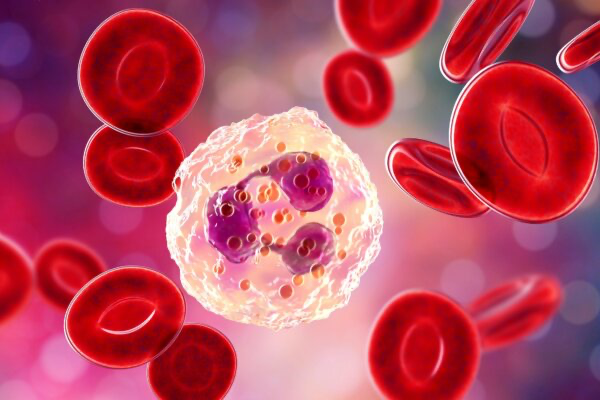
The Nature Genetics study linked in the original post sequenced normal blood cells from 23 people previously exposed to chemotherapy. Some treatments were associated with increased mutation burdens and changes in blood-cell populations resembling aspects of ageing. Effects varied by drug and cell type.
This was a small study of normal blood, not a trial comparing survival with and without chemotherapy. It does not establish that all healthy tissues age at the same rate or predict an individual patient’s lifespan.
Why the distinction between drugs matters
The researchers’ institution, the Wellcome Sanger Institute, emphasized that some, rather than all, chemotherapy agents produced the changes studied. Its proposed application was to improve future treatment selection where alternatives offer comparable cancer control. That requires further research and clinical judgment; drugs cannot simply be exchanged on the basis of a single laboratory measurement.
“Lasting damage” also needs context. A persisting mutation is not a forecast that a person will develop another cancer. Conversely, recovery from nausea or hair loss does not mean every possible late effect has disappeared. Immediate symptoms, molecular changes and long-term clinical outcomes are different measures.
Balancing treatment and life afterwards
Chemotherapy may cure cancer, reduce recurrence, slow its growth or relieve symptoms. The expected benefit depends on the cancer and the treatment goal. The National Cancer Institute also recognizes late effects, which vary with the treatment and dose and can emerge months or years later.
A useful discussion with the oncology team includes:
- What benefit is expected from this particular regimen?
- Which short- and long-term harms are relevant to me?
- Are alternatives similarly effective, and what are their risks?
- What follow-up plan will identify problems early?
Keep a written treatment summary and report persistent or new symptoms during follow-up. Do not skip, stop or change treatment because of a headline. This research supports more informed decisions and better survivorship care, not a universal verdict against chemotherapy.
References
- Mitchell et al., Nature Genetics (2025): The long-term effects of chemotherapy on normal blood cells
- Wellcome Sanger Institute: Genetic damage from some chemotherapies
- National Cancer Institute: Chemotherapy to Treat Cancer
- National Cancer Institute: Late Effects of Cancer Treatment
- National Cancer Institute: Follow-Up Medical Care
