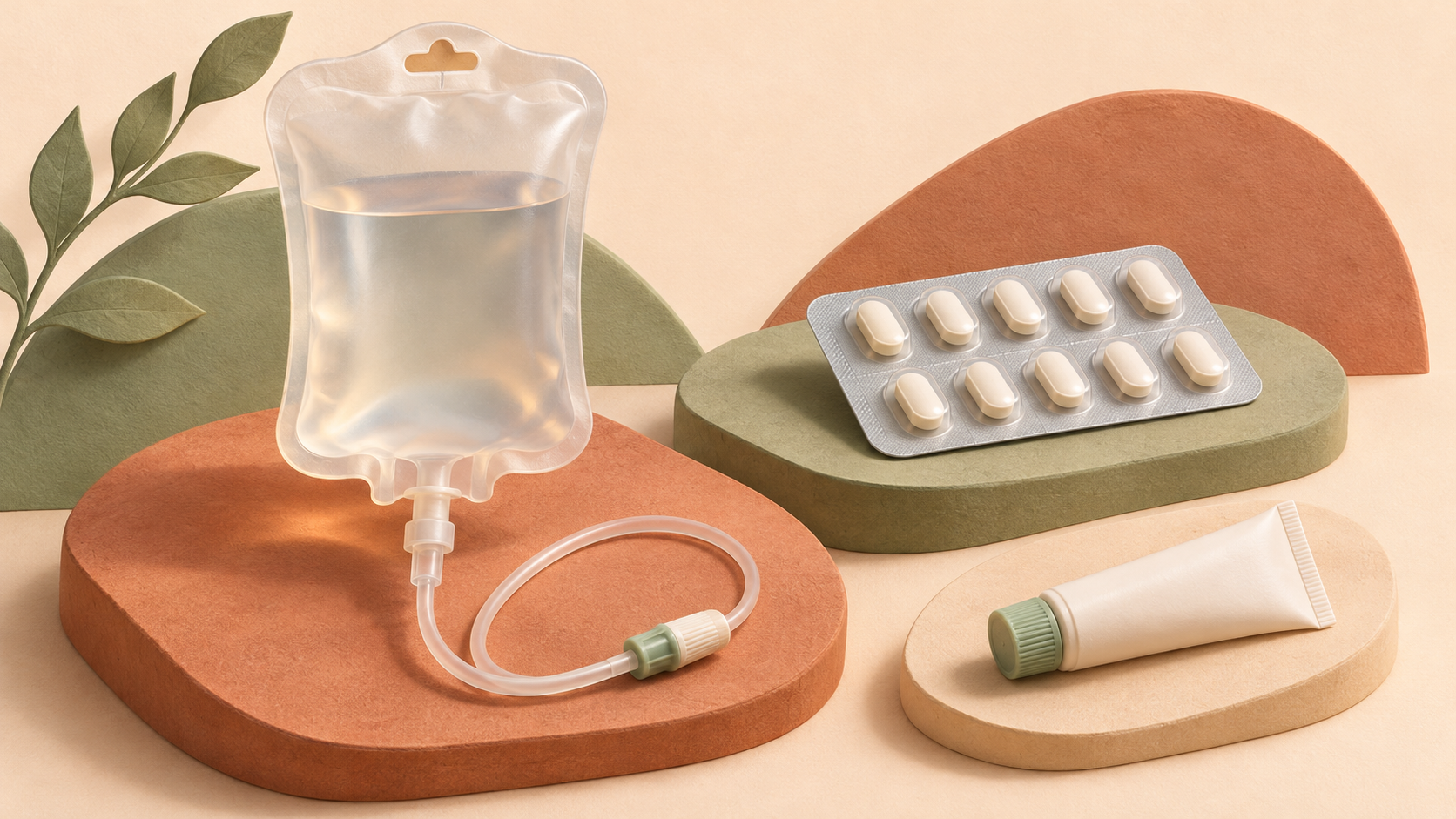
Chemotherapy, often called chemo, uses medicines to kill cancer cells or stop them from growing. Hearing that you need it can feel overwhelming. Understanding the purpose of treatment and what your own plan involves can make the next steps clearer.
This guide focuses on traditional, or cytotoxic, chemotherapy. “Cytotoxic” means harmful to cells. These medicines affect cancer cells, but they can also affect healthy cells, particularly those that divide quickly. 1
Is every cancer medicine chemotherapy?
Cancer medicines work in different ways:
- Cytotoxic chemotherapy damages cells or disrupts the steps they need to grow and divide.
- Targeted therapy acts on particular proteins involved in cancer growth. Tests on the cancer may help show whether a targeted drug is suitable. 2
- Immunotherapy helps the immune system recognize or attack cancer. 3
These treatments can be combined. A treatment given through a drip is not automatically chemotherapy, and a cancer tablet is not automatically targeted therapy. Ask your team for the exact names and types of your medicines.
Why is chemotherapy used?
Depending on the cancer and its stage, chemotherapy may aim to cure it, reduce the chance of it returning, slow its growth or ease symptoms. 1
You may hear these terms:
- Neoadjuvant: treatment before surgery or radiation, often to shrink a tumor.
- Adjuvant: treatment afterward to address cancer cells that may remain and reduce recurrence risk. 4
- Palliative chemotherapy: treatment intended to control cancer or relieve symptoms when cure is not the goal. It may also help some people live longer. Your team should explain the likely benefits and burdens for you. 15
Palliative care, which helps with symptoms and quality of life, can be provided alongside cancer treatment. 16
What are the main types of chemotherapy?
Doctors group chemotherapy medicines by how they work. Examples include:
- Alkylating agents, such as cyclophosphamide, which damage a cell’s DNA.
- Platinum drugs, such as cisplatin, carboplatin and oxaliplatin, which also damage DNA. They are often grouped with alkylating agents, although they are not chemically the same.
- Antimetabolites, such as fluorouracil (5-FU), capecitabine and methotrexate, which interfere with making genetic material.
- Anthracyclines, such as doxorubicin, which disrupt processes involving DNA.
- Taxanes and vinca alkaloids, such as paclitaxel and vincristine, which interfere with cell division.
- Topoisomerase inhibitors, such as irinotecan and etoposide, which interfere with enzymes involved in handling DNA. 5
These are examples, not treatment recommendations. Drugs within a group are not interchangeable, and different cancers need different plans.
How is chemotherapy given?
Through a vein: intravenous or IV chemotherapy
Medicine enters the bloodstream through a small tube in a vein, a longer-term line or an implanted port. An infusion may take minutes, hours or longer, depending on the drug. Some treatments use a portable pump. 6
Paclitaxel is one example of an IV chemotherapy drug used in certain breast cancer treatment plans. 7
By mouth: oral chemotherapy
Some medicines come as tablets, capsules or liquids. Capecitabine, for example, is used in selected colorectal and breast cancer treatment plans. Oral chemotherapy still requires blood tests, follow-up appointments and careful monitoring. Taking it at home does not make it a mild treatment. 8, 9
On the skin: topical chemotherapy
A cream can treat certain conditions close to the skin’s surface. Topical fluorouracil is used for actinic keratoses, which are precancerous sun-damaged areas, and selected superficial basal cell cancers. It does not treat cancers deep in the skin or elsewhere in the body. A clinician must assess the skin lesion and prescribe the appropriate treatment. 10
Other routes for particular situations
Specialist teams may give chemotherapy:
- Into the bladder, called intravesical treatment.
- Into the fluid around the brain and spinal cord, called intrathecal treatment.
- Into the abdominal cavity, called intraperitoneal treatment.
- Into an artery supplying a tumor, called intra-arterial treatment.
- As an injection under the skin or into a muscle. 6
These routes are used for specific reasons, not as choices that suit every cancer.
What are a regimen and a cycle?
A regimen is the planned combination of medicines, doses and treatment schedule. A cycle is a treatment period, often followed by a planned break that allows healthy cells to recover. Some oral treatments are taken continuously instead. 4, 8
Your team chooses the plan using your cancer type, stage, test results, health and treatment goals. They monitor your response and side effects. Doses or dates sometimes need to change for safety. Never change the schedule yourself. 4
What side effects can happen?
Possible effects include tiredness, nausea, vomiting, mouth sores, changes in bowel habits, hair loss and low blood counts. Low white blood cells increase infection risk; low red blood cells can cause anemia; low platelets can increase bruising or bleeding. Some drugs can affect nerves, fertility or organs such as the heart and kidneys. 11
Not everyone gets the same effects, and not all chemotherapy causes hair loss. Many effects improve after treatment, but some can last longer. Your team can offer medicines and other support. Discuss fertility concerns before treatment begins, and check with your team before taking supplements or new medicines. 11
Fever needs urgent attention
Chemotherapy can reduce infection-fighting white blood cells, including neutrophils. Fever with low neutrophils, called neutropenic fever, is a medical emergency. 11, 12
If your temperature reaches 38°C (100.4°F) or higher during chemotherapy, contact your cancer team immediately. Do not wait for your next appointment. Follow any more cautious instructions they have given you. If you cannot reach them promptly, seek emergency care and tell staff you are receiving chemotherapy. 12
Seek urgent advice if you suddenly feel very unwell, even without fever. Severe breathlessness, chest pain, new confusion or uncontrolled bleeding require emergency help.
Taking chemotherapy safely at home
Chemotherapy medicines can be hazardous to other people. Ask for written instructions covering the dose, timing, food requirements, storage, handling and disposal. Keep medicines out of reach of children and pets. 8, 13
Do not crush tablets or open capsules unless your oncology pharmacist specifically instructs you to. Caregivers should follow the team’s glove and handwashing guidance. Ask how to handle spills and body fluids, and for how long precautions are needed. 13, 14
If you miss a dose or vomit after taking it, contact your team or follow your written plan. Do not automatically take an extra dose.
Questions to ask your cancer team
- What is the goal of my treatment?
- Which medicines will I receive, and how?
- How will you check whether treatment is helping?
- Which side effects should I report immediately?
- What number should I call at night or on weekends?
This article provides general education, not an individual treatment plan. Your oncology team is the right source of advice about your medicines, symptoms and treatment choices.
Sources and further reading
- National Cancer Institute: Chemotherapy to Treat Cancer.
- National Cancer Institute: Targeted Therapy to Treat Cancer.
- National Cancer Institute: Immunotherapy to Treat Cancer.
- American Cancer Society: What Goes into Planning Your Chemotherapy.
- American Cancer Society: Types of Chemotherapy Drugs.
- American Cancer Society: Getting Chemo Infusions or Injections.
- American Cancer Society: Chemotherapy for Breast Cancer.
- American Cancer Society: Getting Oral Chemotherapy.
- National Cancer Institute: Capecitabine.
- National Cancer Institute: Fluorouracil (Topical).
- American Cancer Society: Chemotherapy Side Effects.
- Centers for Disease Control and Prevention: Watch Out for Fever.
- American Cancer Society: Chemotherapy Safety.
- Memorial Sloan Kettering Cancer Center: How to Safely Handle Oral Chemotherapy.
- Canadian Cancer Society: Chemotherapy.
- National Cancer Institute: Palliative Care in Cancer.
#Chemotherapy #CancerEducation #CancerCare #PatientEducation #EYI
