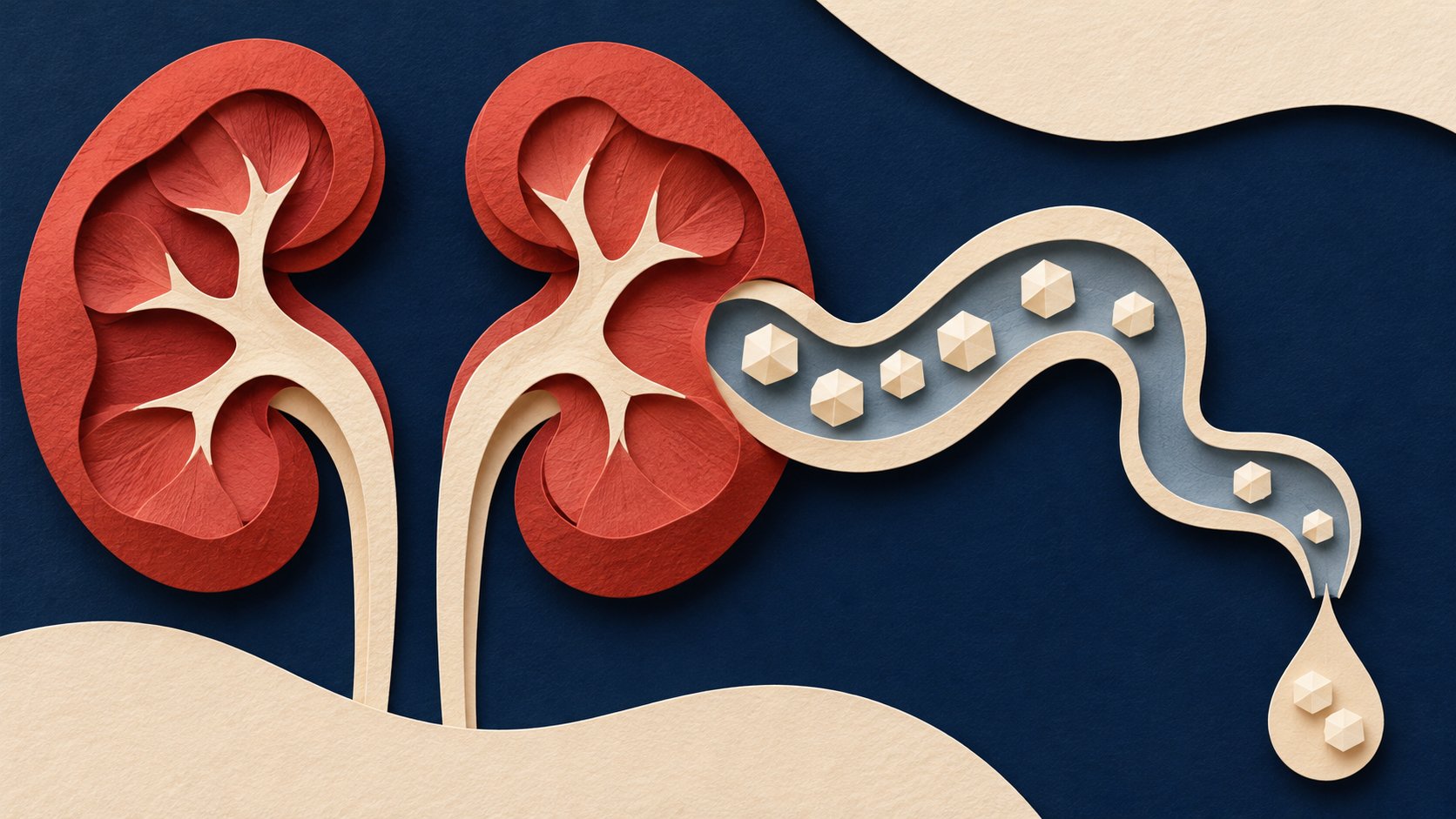
A useful medicine can still need a safety plan. SGLT2 inhibitors help the kidneys pass more glucose into urine. They can lower blood sugar in type 2 diabetes. Some, especially dapagliflozin and empagliflozin, also protect the heart and kidneys in eligible people, including some who do not have diabetes. Benefits and approved uses depend on the particular drug and the person’s condition. National Kidney Foundation
First, check the name on your prescription
Gliflozins are a medicine family. Gliclazide belongs to a different family, the sulfonylureas, and increases insulin release. Glycogen is the body’s stored form of glucose, not a diabetes medicine. These words sound similar but mean different things. Gliclazide prescribing information, UCSF Diabetes Teaching Center
Examples of gliflozin medicines and brands marketed in India include:
- Dapagliflozin: Forxiga. AstraZeneca India
- Empagliflozin: Jardiance. Boehringer Ingelheim’s product information, India approval report
- Canagliflozin: Invokana. Indian pharmacy listing
- Remogliflozin etabonate: Remo and Remozen. Glenmark’s India launch information
These are identification examples, not recommendations or a complete list. Availability varies. Combination tablets may contain other diabetes medicines, so check every active ingredient. Doses and schedules are not interchangeable. Do not switch brands or medicines on your own.
Why can genital thrush happen?
Extra glucose in urine can make it easier for yeast, usually Candida, to grow around the genitals. Symptoms may include itching, redness, soreness, burning or discharge. In women, vulvovaginal candidiasis affects the vulva and vagina. In men, balanitis affects the head of the penis; balanoposthitis also involves the foreskin. Thrush is usually not sexually transmitted and does not mean someone has been unclean. Singapore Health Sciences Authority
Risk is higher in people with previous genital yeast infections, and in uncircumcised men. Most episodes are treatable. A mild infection does not automatically mean the medicine must be stopped permanently. Your prescriber can balance treatment of the infection against the medicine’s benefits. Multidisciplinary expert consensus
Gentle care helps
- Wash the outside genital area gently with water and dry carefully. Avoid harsh soaps, perfumes, antiseptic washes and vigorous scrubbing on irritated skin.
- If the foreskin retracts comfortably, gently clean underneath and put it back in its normal position afterwards. Never force a tight foreskin.
- Wear breathable underwear and change out of damp clothing.
- Keep diabetes treatment and follow-up appointments on track. Hygiene can reduce risk, but cannot guarantee that an infection will not occur. NHS balanitis guidance, Healthdirect foreskin-care advice, International Society of Nephrology patient leaflet
See a doctor rather than repeatedly self-treating
Contact your prescribing doctor for new genital itching, soreness or discharge. Persistent, unusual or recurrent genital skin symptoms should be assessed by a dermatologist or another appropriate specialist. Yeast is only one possible cause; irritation and other skin conditions can look similar. A clinician can confirm the cause and choose treatment. DermNet: balanitis
Circumcision is not a routine requirement before taking a gliflozin. For recurrent balanitis, first review the diagnosis, glucose control, foreskin problems and response to treatment. A specialist may discuss circumcision for selected people with recurrent or treatment-resistant disease or a problematic tight foreskin, after weighing the individual benefits and risks. NHS balanitis guidance, Expert consensus
A urine infection is different from genital thrush
Burning when passing urine, new urgency, lower abdominal pain or blood in urine needs medical advice. Fever, shaking chills, pain in the side or back, vomiting or feeling very unwell needs urgent assessment. UTIs can occur while taking these medicines, but the evidence that SGLT2 inhibitors increase ordinary bacterial UTI risk is less consistent than the clear increase in genital fungal infections. Expert consensus, Cambridge University Hospitals patient information
Know these uncommon but urgent warning signs
Severe genital or perineal pain: severe or rapidly worsening pain, tenderness, redness or swelling around the genitals or between the genitals and anus, especially with fever or feeling very unwell, may indicate Fournier’s gangrene. This is a rare, life-threatening deep infection, not ordinary thrush. Seek emergency care immediately and tell the team you take an SGLT2 inhibitor. Do not take another dose while seeking urgent assessment. Gateshead Health safety advice
Possible ketoacidosis: nausea or vomiting, abdominal pain, fast or deep breathing, unusual drowsiness or confusion can signal a dangerous build-up of ketones. With a gliflozin, this can happen even when blood glucose is near normal, called euglycaemic diabetic ketoacidosis. Stop the SGLT2 inhibitor and seek emergency medical assessment if these symptoms suggest ketoacidosis. Do not wait for a high glucose reading. UK Medicines and Healthcare products Regulatory Agency
Have a sick-day and surgery plan
These medicines can increase urine output and cause dehydration or dizziness. Follow your clinician’s fluid advice, especially if you have heart failure, kidney disease or a fluid restriction. Ask for written instructions about temporarily pausing the medicine during vomiting, diarrhoea, significant dehydration or inability to eat and drink normally, and about when it is safe to restart. If this happens and you have no plan, contact your treating team promptly. Tell your team before surgery or prolonged fasting because a planned pause may be needed. Do not stop insulin on your own. National Kidney Foundation, Dorset County Hospital sick-day guidance
What about low blood sugar?
SGLT2 inhibitors have a low risk of causing hypoglycaemia when taken alone. The risk rises when they are combined with insulin or a sulfonylurea such as gliclazide or glimepiride. Your clinician may need to adjust those medicines. Diabetes UK
Take-home message: Know your medicine’s name, report new symptoms early, and agree on a safety plan. Do not abandon a useful treatment because of embarrassment or stop it permanently without reviewing the benefits and risks with your prescriber.
General patient education, not an individual prescription or diagnosis. Local prescribing information and your treating clinician’s advice take priority.
#EYI #PatientEducation #SGLT2Inhibitors #Gliflozins #DiabetesAwareness #KidneyHealth #HeartHealth #MedicineSafety #GenitalHealth
Sources and further reading
- National Kidney Foundation
- Diabetes UK
- Multidisciplinary expert consensus, 2024
- UK MHRA ketoacidosis warning
- Gateshead Health patient safety advice
- NHS balanitis information
- Dorset County Hospital sick-day guidance
