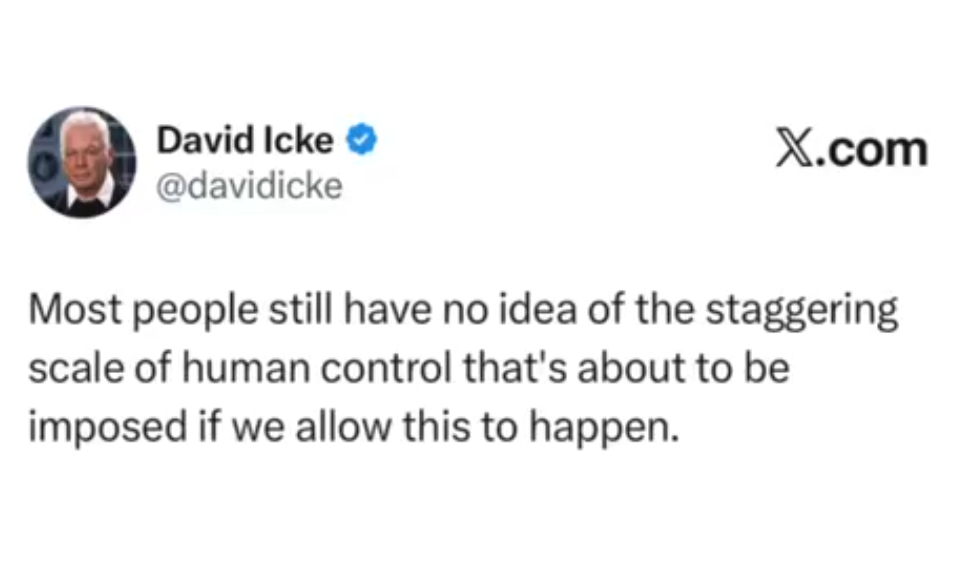
“Programmable money” can mean different things in different discussions. The most important distinction is between a payment that follows instructions you approve and money whose issuer restricts where or how it can be used. Confusing the two can turn a useful debate about financial control into a misleading claim about what a particular system actually does.
The original video is retained. Its narration and provenance have not been independently verified, so this article is an explanation of the topic rather than a transcript or endorsement of the recording.
Who sets the conditions?
Imagine authorising a payment that is released only when a delivery arrives. The condition governs that transaction. Now imagine receiving funds that cannot be spent outside an approved list of shops, even after being transferred. The restriction is attached to the money itself. Both involve software, but they give users and issuers very different kinds of power.
What the UK and euro-area proposals say
The Bank of England’s March 2026 design update distinguishes these concepts explicitly. It says the proposed digital pound would support payments under conditions users set and approve, while issuer-programmed restrictions would be excluded through the architecture and prohibited in proposed primary legislation. The Bank’s public explanation also says no launch decision has been made and that a digital pound would require parliamentary approval.
The European Central Bank’s August 2026 FAQs likewise say a digital euro would not be programmable money. It could support conditional payments, such as a customer’s choice to pay on delivery. These are stated design commitments for particular projects. They should not be presented as descriptions of every digital currency, or as guarantees about every future law.
Questions worth asking
The useful test is not simply whether a payment system is digital. Ask who can impose conditions, whether the customer can withdraw consent, what information different organisations can see, and how errors or disputed restrictions can be challenged. Also ask what happens during an outage and whether people retain workable alternatives.
Promises deserve scrutiny through legislation, technical design and independent oversight. Equally, a warning about a capability that software could theoretically enable does not establish that an identified currency has adopted it. Clear definitions make it easier to demand genuine safeguards without mistaking a voluntary payment feature for compulsory control over spending.
References
- Bank of England: Digital Pound Design Phase, 4 March 2026 update
- Bank of England: The digital pound
- European Central Bank: Digital euro FAQs, updated 17 August 2026
