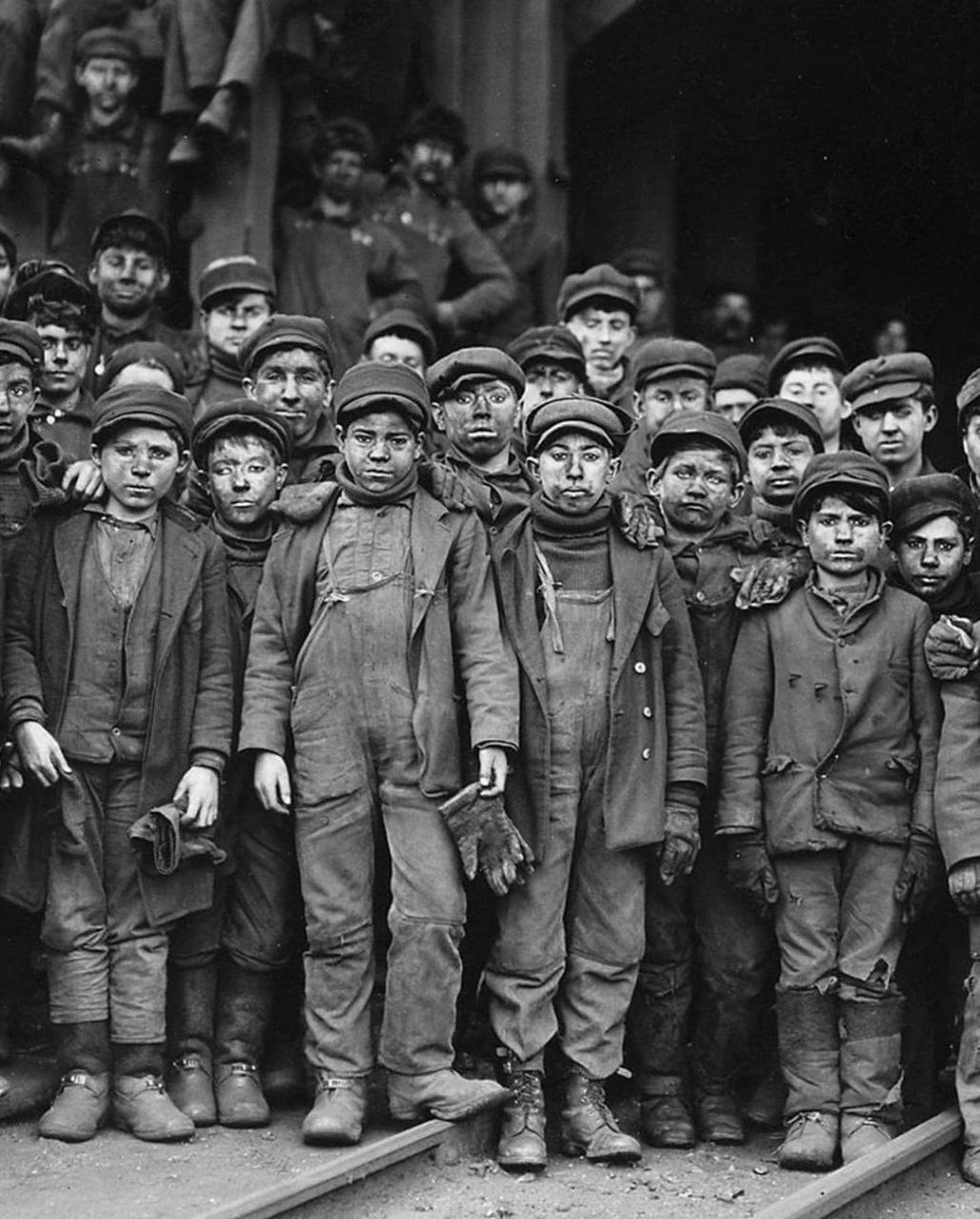
Imagining a life that began in 1900 can put a difficult decade into a wider frame. Such a person might have lived through war, pandemic, economic collapse and rebuilding. The reflection is powerful, but it becomes more useful when the dates are accurate and the experience of one generation is not used to dismiss another’s pain.
A corrected outline of the century
Someone born in 1900 would have been about 14 when the First World War began in 1914 and about 18 at the 1918 armistice, depending on their birthday. The influenza pandemic overlapped the war’s final year and continued afterwards. CDC cites an estimated death toll of at least 50 million worldwide; that is a historical estimate, not an exact count.
The Great Depression began in 1929. Its deepest initial contraction did not mean all hardship ended in 1933: the Federal Reserve’s historical overview describes the broader US depression as lasting into 1941. Experiences differed greatly by country, occupation and access to support.
The Second World War began in Europe in 1939 and ended in 1945. The United States entered in December 1941. Nazi Germany and its allies and collaborators murdered six million Jews in the Holocaust, alongside the persecution and killing of many other groups. These victims should be remembered as people, not used only as a large number in a motivational comparison.
The Korean War began in June 1950, not 1952; a person born in 1900 would have been about 50. The 1953 armistice stopped the fighting. The Cuban Missile Crisis occurred in October 1962. The Vietnam conflict had earlier roots; 1964 marks a major stage of US escalation rather than a single uncontested beginning for the entire war.
Perspective without false reassurance
A timeline of survival can encourage humility and gratitude, but it leaves out those who did not survive and those whose lives were permanently changed. It also cannot promise that a present problem will resolve by itself.
The constructive lesson is that people responded through care, organisation, scientific work, political decisions and mutual help. Recovery required action as well as endurance.
Listen to older people’s experiences, preserve family stories and learn from the institutions that succeeded or failed. At the same time, take today’s bereavement, illness and uncertainty seriously. Historical perspective can widen compassion; it need not become a competition over who had the hardest life.
Original accompanying image retained for context; its assertions should be assessed against the explanation above.

References
- CDC: The 1918 influenza pandemic.
- Federal Reserve History: The Great Depression.
- US National Archives: Pearl Harbor and US entry into the war.
- US Holocaust Memorial Museum: Documenting victims.
- US National Archives: Korean War and 1953 armistice.
- US Department of State: 1961–1968 historical milestones.
- UK National Archives: First and Second World War records.
