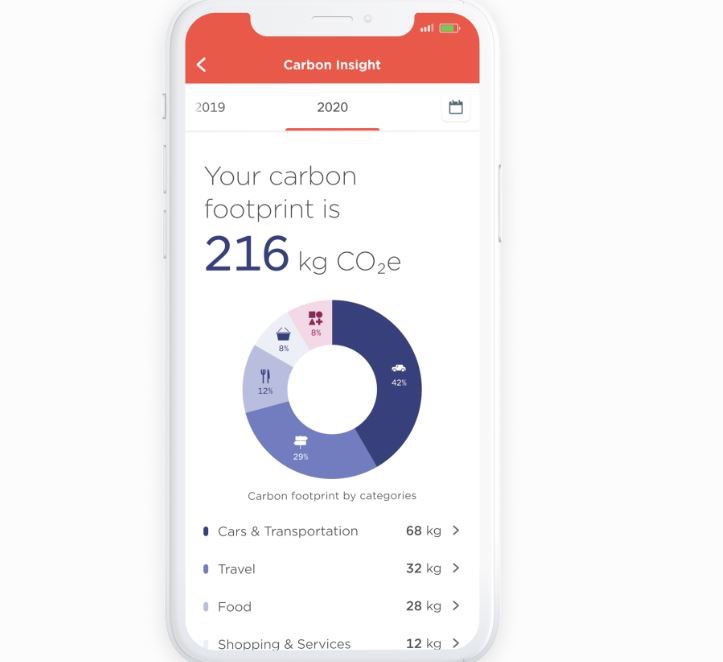
The original post links three different ideas: neighbourhood planning, carbon-footprint estimates and compulsory personal spending limits. They should be examined separately. A screenshot of a carbon calculator does not establish that a city is introducing travel rationing or preventing residents from leaving their neighbourhood.
What a fifteen-minute neighbourhood means
Oxford City Council’s planning research describes the concept as putting everyday needs, including shops, schools, parks and health services, within an approximately fifteen-minute walk or cycle. That is an accessibility goal. It does not inherently require a personal carbon account.
Specific transport measures still deserve scrutiny. Oxfordshire’s separate traffic-filter scheme restricts cars at designated road points, with permits and exemptions. The council says destinations remain accessible by car using alternative routes. Those restrictions can affect journeys and warrant debate, but they are not evidence of a general prohibition on travelling beyond a neighbourhood.
Carbon estimates are not all compulsory quotas
Doconomy describes a service that estimates consumption-related emissions from payment transactions. Such an estimate is not a direct measurement of every kilogram a person emits. Its usefulness depends on the assumptions and categories behind the calculation.
There was also a genuine announcement about a spending limit: Mastercard’s 2019 release described Doconomy’s DO Black card as a product intended to prevent users from exceeding a consumption-related carbon limit. It invited interested consumers to register. That is evidence of a particular proposed consumer product, not evidence that every Mastercard, retailer or government imposes that system.
The original post supplied no identifiable law establishing a universal two-tonne annual allowance or a charge of $170 for each excess kilogram. Without a jurisdiction, policy document and effective date, those amounts should not be presented as rules readers must obey.
Check the arithmetic and the proposed powers
Reducing a quantity from sixteen tonnes to two is an 87.5% reduction, not an 800% reduction. A flight estimate of 431 kilograms would be about 21.6% of two tonnes, but that calculation cannot establish that a legal allowance exists.
Useful questions are concrete: Who collects the data? Is participation optional? Can a transaction be refused? Which authority approved any restriction, and what appeal or alternative exists? Privacy and mobility concerns deserve clear answers. Combining an app, a commercial product and an urban-planning idea into one asserted lockdown system obscures those questions.
Original media
Original carbon-footprint app graphic retained. Its display is not evidence of a mandatory allowance or a restriction on movement.

References
- Oxford City Council: Green Infrastructure Study, section 4.3.7
- Oxfordshire County Council: About the traffic filters
- Mastercard: DO Black announcement, 30 April 2019
- Doconomy: Sustainable banking
