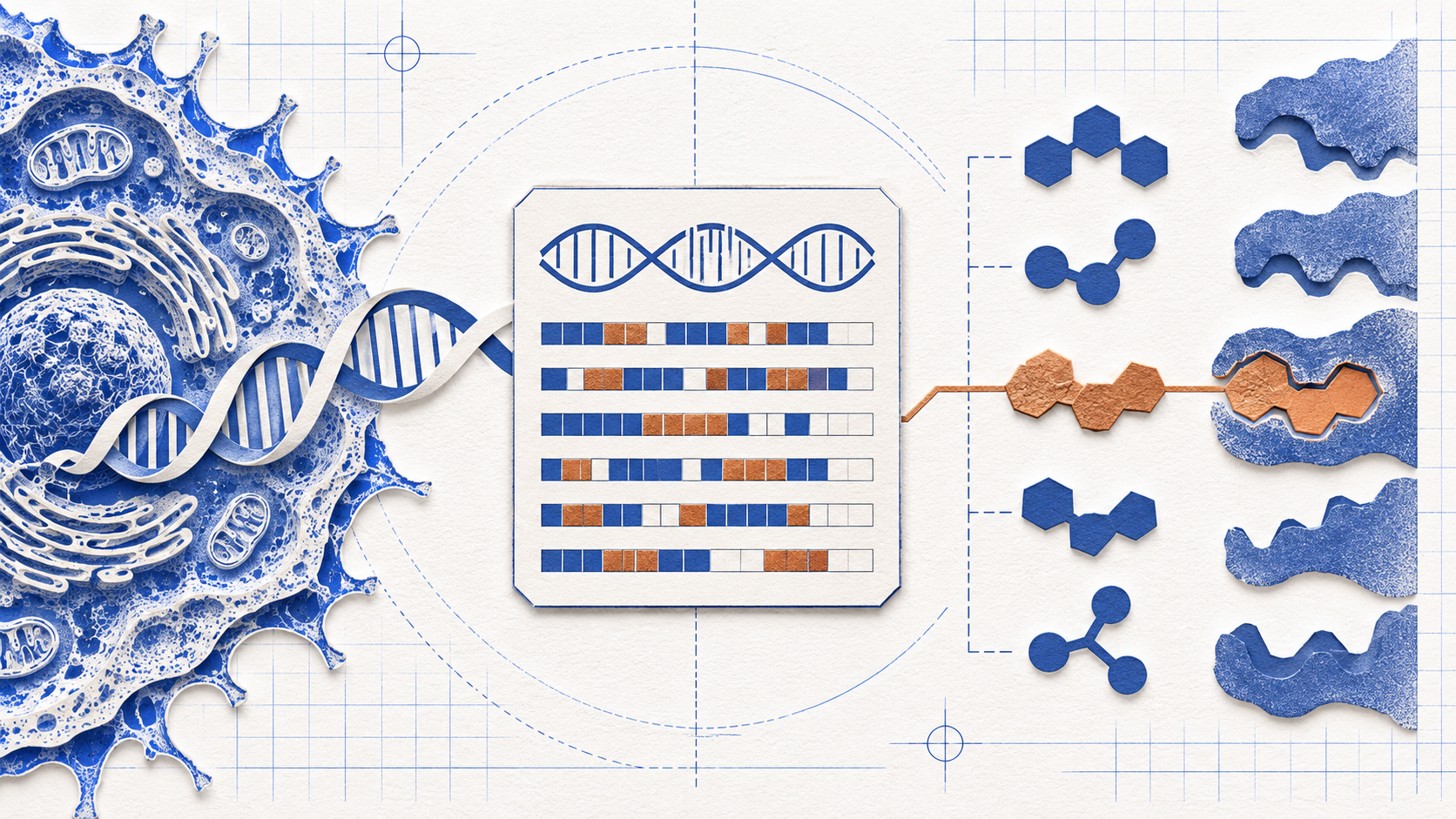
Two people can have cancer in the same organ and still need different treatments. One reason is that their cancer cells may carry different changes in their DNA or make different amounts of certain proteins.
Precision oncology uses these biological details, alongside the cancer’s type and stage and the person’s overall health, to help choose treatment. The aim is to identify options more likely to help and avoid some that are unlikely to work. It adds information to cancer care; it does not replace clinical judgment or guarantee a cure. American Cancer Society: Precision or Personalized Medicine
What does molecular profiling look for?
DNA contains instructions that help cells function. Changes in those instructions can contribute to uncontrolled growth. Molecular profiling, also called tumor or biomarker testing, looks for features that may explain how a cancer behaves or responds to treatment.
One method, next-generation sequencing (NGS), can examine many genes at once. Other tests look for proteins or specific genetic changes. A broad gene panel is not the same as reading every part of the genome, and DNA testing alone does not capture every useful biomarker. The oncology team chooses tests according to the cancer and the treatment decisions being considered. American Cancer Society: Cancer-related Genomic Testing and Genetic Testing; NCI: Tumor Marker Tests in Common Use
How is testing done?
For many solid cancers, a laboratory tests tissue collected during a biopsy or surgery. Sometimes an existing sample can be used. The team checks whether there is enough suitable material and weighs the benefits and risks of any new biopsy.
A liquid biopsy can look for fragments of tumor DNA circulating in the blood. It may help when tissue is difficult to obtain, but some tumors release too little DNA for the test to detect. A negative blood result therefore does not always rule out a useful target. Tissue testing may still be needed when feasible. The two approaches can provide complementary information. MedlinePlus: Lung Cancer Genetic Tests; ESMO: Recommendations on Circulating Tumour DNA Assays
Does a tumor mutation mean the cancer is inherited?
Usually, a change found in cancer cells developed during the person’s lifetime. These somatic changes are not passed to children.
Germline changes are present from birth and can be passed through families. Testing for inherited cancer risk has a different purpose from profiling a tumor, although the results can sometimes overlap. Tumor testing may raise the possibility of an inherited change, but it does not, by itself, establish that the change is inherited.
If such a finding appears, the care team may recommend confirmatory testing using a separate non-tumor sample and a discussion with a genetic counselor. This can clarify what the result means for the patient and relatives. Before testing, ask how possible inherited findings will be reported and followed up. NCI: Genetic Testing for Inherited Cancer Risk
How can a biomarker change treatment?
Examples include:
- EGFR: Certain EGFR mutations in non-small cell lung cancer can support treatment with an EGFR inhibitor, such as osimertinib. The exact mutation and treatment setting matter. FDA: Osimertinib for EGFR-mutated Lung Cancer
- HER2: Some breast cancers make too much HER2 protein. This can help identify patients for HER2-directed treatments. HER2 assessment illustrates why testing proteins, not just DNA, can be important. NCI: Targeted Therapy for Breast Cancer
- BRAF: A specific change called BRAF V600E can guide targeted treatment in several cancers. However, the same mutation does not mean the same drug combination is appropriate for every cancer. NCI: Agnostic Cancer Therapies
- MSI-H or dMMR: These findings indicate problems with the tumor’s DNA repair system. In appropriate settings, they can identify patients who may benefit from checkpoint-inhibitor immunotherapy, such as pembrolizumab. This works through the immune system, rather than directly blocking a mutant growth protein. NCI: Pembrolizumab
Some medicines have approvals based on a biomarker across several cancer types. Others are approved only for particular cancers, stages, ages, or previous treatments. The oncologist must check the evidence and current approval where the patient receives care. A gene name on a report is not, by itself, a prescription. NCI: Agnostic Cancer Therapies
What if the report does not offer a clear answer?
Testing may find no useful target, a target without an available approved drug, or a variant of uncertain significance: a change whose meaning is not yet understood. An uncertain finding should not be treated as a proven reason to choose a drug.
The report may also suggest a clinical trial or a medicine approved for a different cancer. These possibilities require careful review; they are not equivalent to an established treatment for that patient. Having no molecular match does not mean there are no treatment options. NCI: Biomarker Testing for Cancer Treatment
What are the limits?
Even a well-matched treatment may not work for everyone. Cancer cells can develop resistance by changing the drug’s target or finding another way to grow. Targeted medicines can also cause serious side effects, and combinations with chemotherapy, surgery, radiation, or other treatments may still be needed. NCI: Targeted Therapy to Treat Cancer
Access matters too. Testing, specialist interpretation, medicines, and trials may not be equally available or covered by insurance. For complex findings, a molecular tumor board, a group of specialists who review the evidence, may help the treating team assess options. NCI: Biomarker Testing for Cancer Treatment; ESMO: Molecular Tumour Board Recommendations
Questions worth asking
- Which biomarker tests are recommended for my cancer, and could they change treatment now?
- Can an existing tissue sample be used? Would a blood test add useful information?
- Is a suggested treatment established for my situation, off-label, or available only in a trial?
- Could the results have implications for my family?
- What will testing and treatment cost, and is financial support available?
Precision oncology can open important treatment options. Its value comes from interpreting the results carefully and combining them with the patient’s needs, preferences, and wider care plan.
For education only. Individual testing and treatment decisions should be made with a qualified oncology team.
#EYI #PrecisionOncology #CancerCare #BiomarkerTesting #GenomicMedicine #TargetedTherapy #PatientEducation
Sources and further reading
- American Cancer Society: Precision or Personalized Medicine
- American Cancer Society: Cancer-related Genomic Testing and Genetic Testing
- NCI: Tumor Marker Tests in Common Use
- MedlinePlus: Lung Cancer Genetic Tests
- ESMO: Recommendations on Circulating Tumour DNA Assays
- NCI: Genetic Testing for Inherited Cancer Risk
- FDA: Osimertinib for EGFR-mutated Lung Cancer
- NCI: Targeted Therapy for Breast Cancer
- NCI: Agnostic Cancer Therapies
- NCI: Pembrolizumab
- NCI: Biomarker Testing for Cancer Treatment
- NCI: Targeted Therapy to Treat Cancer
- ESMO: Molecular Tumour Board Recommendations
